

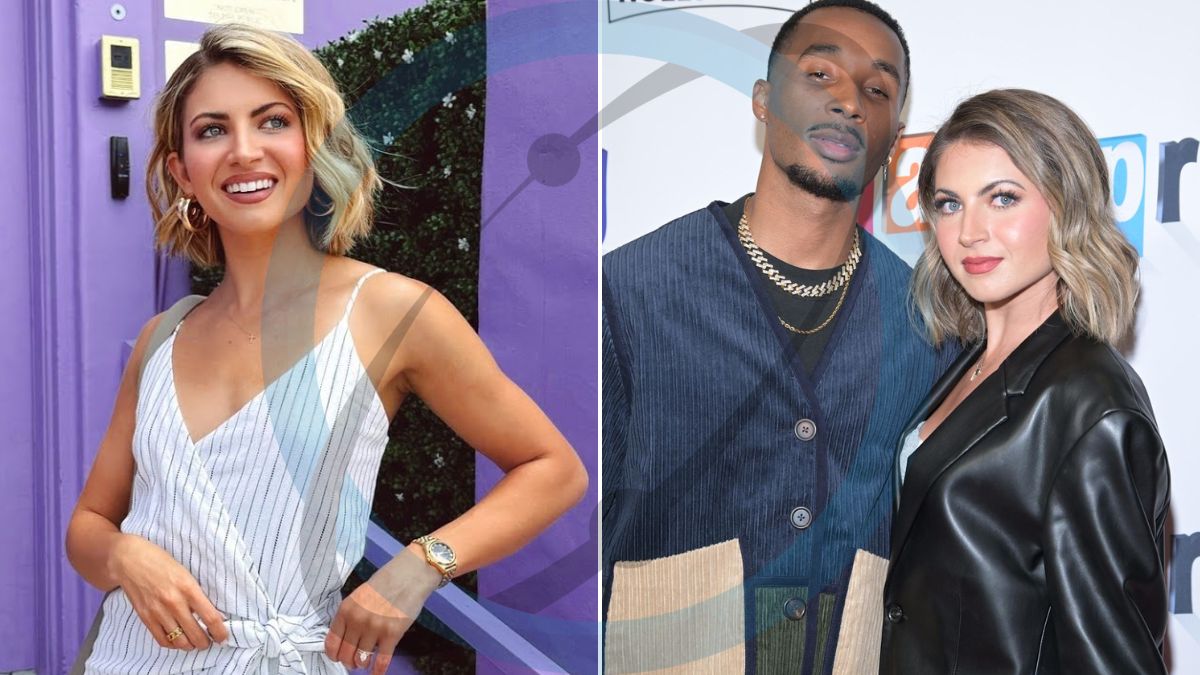
Miranda Derrick path from rising dancer to widely discussed public figure reflects the complexities of digital fame, family conflict, and personal autonomy. Her name became tied not only to her creative work but also to a controversy that drew intense public scrutiny. Despite the attention, she continues to navigate her career with measured steps, reshaping her identity as both an artist and individual. This article examines her journey from early dance collaborations to the dispute that placed her at the center of national conversation, the relationships that influenced her trajectory, and the choices guiding her return to a more stable professional life.
Early Life and Background
Miranda Derrick was born on February 24, 1997, and grew up in Michigan in a family where dance was more than a hobby. Training began early, and with it came an understanding of discipline, performance, and collaboration. Her upbringing grounded her in the routines that later supported her transition into the professional dance community. As she moved into adulthood, her focus expanded from traditional studio work to online platforms, where short-form video began shaping modern choreography and audience engagement.
Her age placed her among the first generation of dancers to build careers primarily online. Instead of relying solely on stage or commercial auditions, she adapted to a landscape where creativity, relatability, and self-direction determined success.
The Wilking Sisters Era
Before developing her solo identity, Miranda performed with her younger sister, Melanie. As the Wilking Sisters, they created a distinctive brand built on synchronized choreography, approachable storytelling, and an upbeat dynamic that viewers connected with instantly. Their partnership earned them millions of views, brand collaborations, and recognition within both the dance community and mainstream audiences.
Their content showcased a sibling relationship that felt authentic and cohesive, blending technical skill with entertainment value. The visibility they gained during this period set the foundation for Miranda’s individual growth. It also made the later family conflict more difficult for the public to ignore, as many followers had watched their shared journey unfold in real time.
Career Expansion and Artistic Identity
When Miranda began shaping her own path beyond the duo, her work shifted toward a more expressive and personal style. She refined her choreography, incorporated thematic storytelling, and participated in projects that blended dance with cinematic elements. As platforms like TikTok accelerated the reach of independent artists, she developed a rhythm that highlighted her strengths: precision, emotional performance, and consistency.
Brand partnerships, music video appearances, and teaching opportunities broadened her professional network. The transition required careful navigation—balancing the momentum she shared with her sister while developing a voice distinct from the Wilking Sisters brand. This growth also deepened her involvement in the Los Angeles dance scene, where she collaborated with creators who valued both her skill and her adaptability.
Marriage to James Derrick
Miranda later met James Derrick, a dancer known for his distinct style and versatility. Their collaboration brought new creative dimensions to her work, blending two artistic perspectives into choreography that resonated with large audiences. Over time, their professional connection developed into a personal relationship, and the two eventually married.
Her husband played a significant role in her evolving public identity. Their partnership included joint projects, performances, and ventures that showcased the strength of their collaboration. For Miranda, this relationship became an anchor during a period defined by creative expansion and rising visibility. It also placed her directly within the environment that later sparked controversy, as James had existing ties to the group at the center of the dispute.
The Allegations and Public Rift
The turning point in Miranda Derrick’s public story emerged when her family expressed concerns about her involvement with a religious organization connected to her management team. Their worries became public after they stated that her communication with them had changed significantly. The situation escalated when the family released a video describing their distress, which rapidly spread online and initiated widespread debate.
Allegations circulated suggesting controlling behavior within the group. These claims included concerns about isolation and decision-making pressures. As the discussion intensified, the term “Miranda Derrick cult” became a shorthand for a much broader set of disputes involving autonomy, belief, and family interpretation of events.
Miranda addressed the situation by stating that she remained independent in her choices and denied that her association with the organization reflected anything harmful. Her perspective emphasized agency and personal conviction, while the concerns from her family centered on their perception of distance and change. The disagreement never aligned publicly, and the gap between both narratives contributed to ongoing speculation.
The complexity of this rift lay not only in the claims themselves but in the emotional history embedded within them. A once-publicly close family now found itself navigating a disagreement in front of an audience that had followed their growth for years.
How the Controversy Reshaped Her Career
The attention that followed shifted how brands, viewers, and collaborators engaged with Miranda. The controversy overshadowed her work, prompting her to appear more selectively online. During this period, she continued fulfilled commitments and contributed to professional projects, but her presence was less frequent.
This quieter approach created a contrast with her earlier, more active rhythm. Yet it also allowed space to reassess her direction and build a framework for future projects outside the intensity of public discussion. Although her name was frequently associated with the dispute, her output demonstrated focus and commitment to her craft, even during months of heightened scrutiny.
The tension also affected her relationship with her sister, as the two pursued separate paths. Their dance partnership had defined much of their early exposure, and the distance between them became symbolic of the broader conflict. Despite this, both continued developing their individual careers, each cultivating a distinct professional identity.
Financial Landscape and Professional Standing
Miranda’s work across choreography, sponsored content, and performance built a solid financial foundation. While figures vary across public estimates, her net worth reflects years of consistent partnerships, teaching engagements, long-term brand relationships, and appearances in notable entertainment projects.
Her income does not hinge solely on social media. Workshops, creative collaborations, and project-based roles offer additional stability. This diversity has helped sustain her career despite fluctuations in public sentiment or shifts in platform algorithms.
Her approach to business appears deliberate and measured, focusing on creative projects that align with her strengths rather than high-frequency posting. This strategy has allowed her to maintain relevance without overexposure.
Signs of Reinvention and Renewed Stability
In recent years, Miranda has returned to online platforms with a more grounded and intentional presence. Her newer work emphasizes refined choreography, thoughtful visuals, and collaborations that reflect personal and artistic maturity. Rather than revisiting past discussions, she dedicates her public energy to dance and the relationships that support her progression.
Her marriage to James remains a central element of her life. Their creative alignment continues to shape their joint ventures, offering a sense of unity that counters the divisiveness once surrounding their names.
By redirecting focus onto her craft, Miranda has gradually rebuilt a public identity rooted in skill rather than speculation. This shift signals a steady, long-term reinvention rather than a dramatic comeback. She appears committed to a sustainable career defined by controlled exposure and meaningful output.
Conclusion
Miranda Derrick’s story illustrates the tension between public curiosity and personal autonomy. Her rise as a dancer, the close bond with her sister, her marriage to James, and the conflict involving her family formed a narrative that captured attention worldwide. Yet beyond the controversy lies the portrait of a creator who continues shaping her life through deliberate choices, grounded relationships, and dedication to her work.
Her journey remains ongoing, marked by resilience and a redefined sense of identity. Whether through choreography, collaboration, or renewed public engagement, she continues navigating a path that reflects both her talent and her capacity to evolve under pressure.
FAQs
1. What is Miranda Derrick known for?
She is recognized for her choreography, expressive dance content, and collaborations within the digital dance community.
2. How old is Miranda Derrick?
She was born on February 24, 1997.
3. What happened between Miranda and her sister?
The two pursued separate careers after a family dispute became public, creating distance between them professionally and personally.
4. Who is Miranda Derrick’s husband?
She is married to dancer and choreographer James Derrick.
5. Why was Miranda involved in controversy?
Public discussion intensified after her family expressed concern about her association with a religious group. Miranda stated that her choices were her own and denied any allegations of coercion.
