

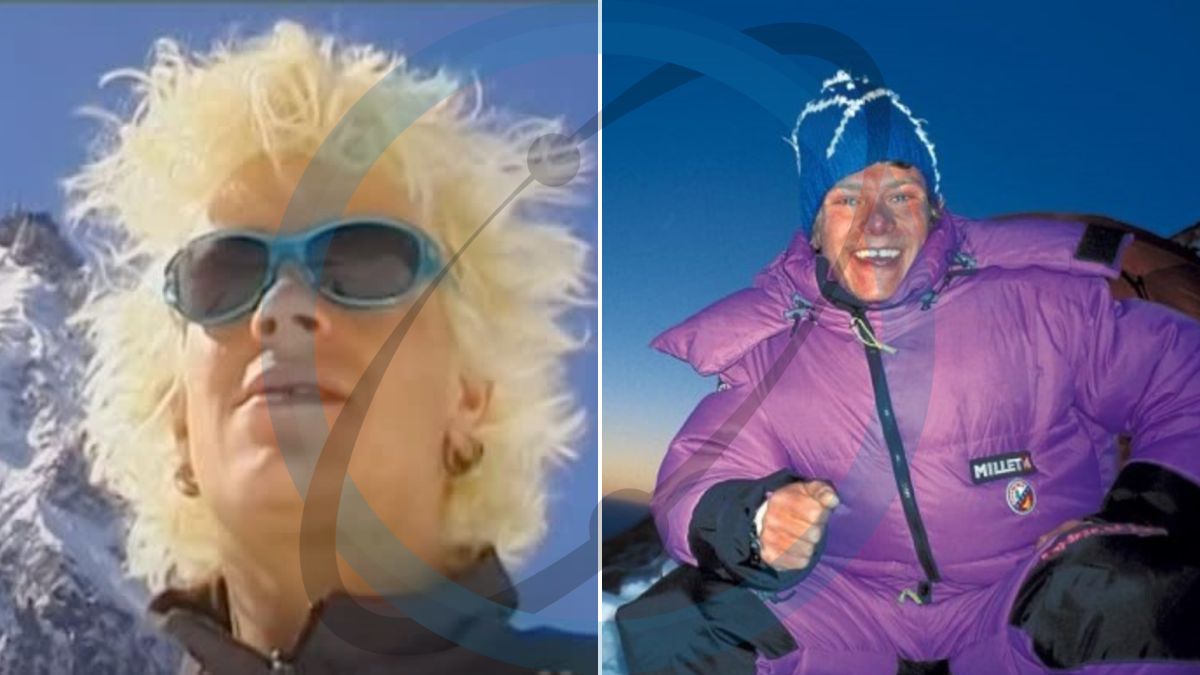
Extreme sports have always attracted individuals who see the world differently—people willing to push beyond accepted limits. Among them, Marco Siffredi stands as one of the most compelling and enigmatic figures in snowboarding history. His ambition was not fame or records alone, but the pursuit of absolute freedom on the world’s highest mountains. Through bold descents, controversial decisions, and a legacy that still sparks debate, Marco Siffredi permanently reshaped how extreme snowboarding is viewed.
This in-depth article explores his life, mindset, achievements, and the enduring questions surrounding his final expedition. Whether you are new to his story or seeking a deeper understanding, this guide offers a complete and human perspective on one of snowboarding’s most influential pioneers.
The Early Life of Marco Siffredi
Born in 1979 in Chamonix, France, Marco Siffredi grew up surrounded by towering peaks and a culture deeply rooted in mountaineering. Chamonix is not just a town; it is a proving ground for climbers, skiers, and snowboarders who test themselves against nature. From an early age, Marco Siffredi displayed a rare combination of fearlessness and curiosity.
Unlike many athletes who follow structured paths, he gravitated toward exploration. Snowboarding was not simply a sport for him—it was a language through which he expressed creativity, rebellion, and independence. Friends and mentors often described him as thoughtful, quiet, and intensely focused, traits that would later define his approach to extreme riding.
The Rise of a Snowboarding Visionary
Breaking Boundaries in Big-Mountain Snowboarding
By his late teens, Marco Siffredi had already made a name for himself in big-mountain snowboarding. He was not content with groomed slopes or competitive circuits. Instead, he sought untouched lines, steep couloirs, and massive faces that demanded both technical skill and mental resilience.
His descent of the Mallory Couloir on Mont Blanc in 2001 marked a turning point. It was a feat many considered impossible on a snowboard. This single ride elevated his reputation from talented rider to visionary athlete, someone redefining what could be done on a board.
A Different Philosophy of Risk
What set him apart was not recklessness, but intention. Marco Siffredi carefully studied terrain, snow conditions, and weather patterns. To him, risk was something to understand, not ignore. This mindset earned respect even among seasoned alpinists who traditionally viewed snowboarders as outsiders.
Marco Siffredi and the Call of Everest
Why Everest Mattered
Mount Everest has always symbolized the ultimate challenge. For Marco Siffredi, it represented unfinished business in the evolution of snowboarding. He believed that if snowboarding truly belonged in the mountains, it had to confront the highest peak on Earth.
In 2001, he successfully snowboarded down the Norton Couloir on Everest, becoming the first person to do so. This achievement was historic, proving that snowboarding could coexist with high-altitude mountaineering at the highest level.
Choosing the Hornbein Couloir
Despite his success, Marco Siffredi felt dissatisfied. The Norton Couloir, while dangerous, was not his original goal. His true ambition was the Hornbein Couloir—a steeper, more technical line rarely attempted even by elite climbers.
This decision would define his legacy and ultimately lead to tragedy.
The Final Expedition and Marco Siffredi Death
In 2002, Marco Siffredi returned to Everest determined to complete his vision. Conditions were harsh, and the Hornbein Couloir posed immense challenges, including avalanche risk, icefall, and limited exit options.
He reached the summit on September 8, 2002, alone. That was the last confirmed sighting of him.
Disappearance on the Descent
When he failed to return, search efforts were launched, but no trace was ever found. The Marco Siffredi death remains officially classified as a disappearance. The mountain kept its secret, as it has with many who dared its heights.
The absence of definitive evidence has fueled speculation for years, making his story both tragic and haunting.
Marco Siffredi Theories and Unanswered Questions
The lack of physical evidence has led to numerous Marco Siffredi theories. Some believe he successfully entered the Hornbein Couloir but was caught in an avalanche. Others suggest a fall caused by unstable snow or equipment failure.
There are also more symbolic interpretations—that his disappearance represents the ultimate act of commitment to his philosophy. While romanticized, such views underscore how deeply his story resonates with the extreme sports community.
The topic of the Marco Siffredi body is often discussed, but no remains have ever been recovered. This absence leaves room for mystery while reinforcing the unforgiving nature of high-altitude exploration.
Impact on Extreme Sports and Mountaineering
Changing Perceptions of Snowboarding
Before Marco Siffredi, snowboarding was often dismissed in serious mountaineering circles. His accomplishments forced a reevaluation. He demonstrated that snowboarders could possess the same discipline, respect for nature, and technical expertise as traditional climbers.
Influence on Future Generations
Many modern freeriders and splitboard mountaineers cite him as a major influence. His willingness to blend creativity with alpinism opened doors for athletes seeking nontraditional paths in the mountains.
The Legacy of Marco Siffredi
Today, Marco Siffredi is remembered not only for what he achieved, but for what he represented. He embodied a pure form of exploration—driven by vision rather than validation.
His story serves as both inspiration and caution. It highlights the beauty of ambition while reminding us of nature’s ultimate authority. In a world increasingly shaped by technology and predictability, his life remains a powerful reminder of what it means to truly explore.
Conclusion
The story of Marco Siffredi is not simply about snowboarding or Everest—it is about vision, courage, and the human desire to go beyond accepted boundaries. His achievements challenged conventions, while his disappearance left an indelible mark on extreme sports history.
More than two decades later, his name still carries weight because it represents something rare: a life lived in pursuit of an idea, regardless of the cost. In that sense, Marco Siffredi did not just redefine extreme snowboarding—he redefined what it means to follow a dream to its highest point.
