

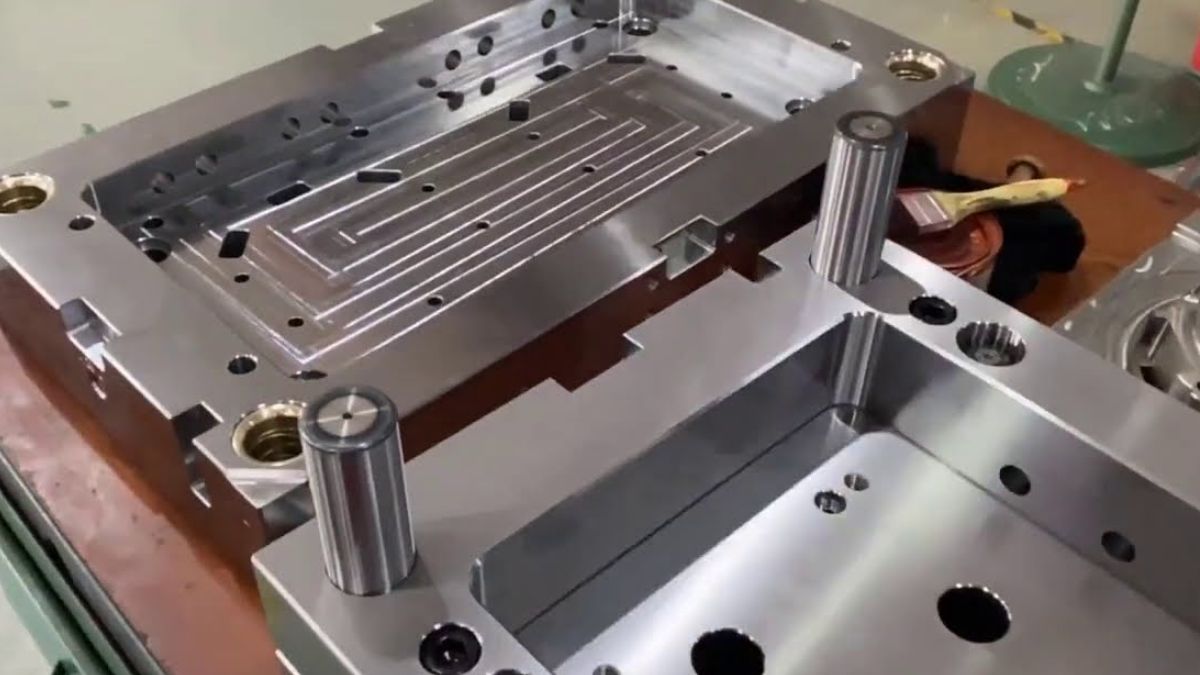
Insert casting is a manner of creating robust and beneficial components. It connects the metallic or plastic insert to the plastic. This technique creates one solid piece. It is used in many stuff, inclusive of automobiles, electronics and white items.
The substances we pick are very crucial. The proper materials make the parts more potent and last longer. The wrong substances can damage, deteriorate quicker or purpose problems in manufacturing.
What is Insert Mold Manufacturing?
Insert mould production manner placing an insert inside a mold. Plastic is then placed around it. The plastic covers the insert and forms one piece. This procedure helps create strong, accurate and durable parts. Many industries require it. For example: Cars: Small engine parts or plastic-metallic portions Electronics: Plugs, switches and contacts Household gear: Handles or plastic handles Choosing the right material is very important for success. Good materials make High-Performance Insert Molds.
Why Materials Matter
Material choice affects:
- Strength of the part
- How long it lasts
- How much it costs
- How easy it is to make
For example, some plastics shrink too much. Some metals do not stick well to plastic. Using the right material avoids these problems.
Metals for Inserts
Here are the most generally used metals: Steel: Strong and hard. Works well in regions subject to strain or warmth. Harder metal lasts longer. Brass: Easy to form. Resists corrosion. Good for small or medium portions. Aluminium: Light and smooth to paintings with. Good for parts where weight matters. Conducts heat nicely. Copper: Good for heat transfer. Also resists corrosion.
Plastics for Molding
Here are the common plastics used in insert molding: ABS: Strong and effect resistant. Easy to shape.like used in electronics and automobiles. Polycarbonate (PC):such as very difficult and heat resistant. Often used in lighting fixtures or safety covers. Nylon (PA): Flexible and robust. Used in gears or transferring elements. POM (polyoxymethylene): Very unique and clean.In short Good for mechanical components. Polypropylene (PP): Light and chemical resistant. So used in packaging and family products. Choosing the proper plastic depends on using the insert and the component.
Hybrid Materials
Sometimes, a mix of metals and plastics is used. Metal inserts with high-quality plastics give strong and light parts. This combination creates High-Performance Insert Molds.
How to Choose the Right Material
Sometimes a aggregate of metals and plastics is used. Metal inserts blended with awesome plastic provide sturdy and mild parts. This aggregate creates insert bureaucracy with high performance. How to pick the right cloth Strength: Can it face up to stress and weight? Heat resistance: Will it soften or exchange shape below heat? Chemical resistance: Can it deal with chemicals? Bonding: Will the plastic persist with the insert? Price: Not too pricey, no longer too cheap. Ease of forming: Some materials are smooth to mildew or device.A accurate choice of materials saves time and money. It additionally creates more potent components that ultimate longer.
Benefits of Good Materials
There are many blessings to the use of excellent substances in insert mildew production: Strong and durable elements: Good materials make the parts difficult. They do not damage or put on out effortlessly. Fewer defects:Such as parts are less likely to break, deform or fail. This reduces wastage and saves cash. Smooth Finish and Nice Look: High exceptional fabric offers a smooth and polished appearance. The final product seems professional.
Parts which can resist strain, heat and chemicals: Good materials preserve their form and energy even below harsh conditions. Long life and occasional maintenance: Parts ultimate longer and require fewer upkeep or replacements. Fast and easy production: Strong and dependable substances reduce issues for the duration of manufacturing. This simplifies the manufacturing process, saves time and improves performance. Better overall performance: Parts crafted from the proper materials work higher and greater reliably. Cost savings in the long run: Although right materials may cost a little extra initially,and they lessen wastage, repairs and replacements, saving money over the years.
Why Choose GBM Mold
GBM Mold is a trusted company in insert mold manufacturing. They use the best materials. They focus on quality and precision. Choosing GBM Mold ensures your parts are strong and well-made. If you want long-lasting and precise parts, you should Choose GBM Mold For Insert Mold Manufacturing. They help with custom designs and large production.
Tips for Successful Insert Molding
- Pick the right metal and plastic combination.
- Make a small test part before full production.
- Keep molds clean and precise.
- Control temperature and pressure carefully.
- Work with experienced companies like GBM Mold.
These tips help make strong and high-quality parts. Using proper materials is very important.
Conclusion
Insert casting is a smart manner to make more potent elements. It is very crucial to select the right fabric. Metals along with metallic, brass, aluminum and copper are used for inserts. Plastics such as ABS, PC, Nylon, POM and PP are used for molding. Sometimes hybrid materials are nice for stronger, lighter components. A exact selection of materials method that elements remaining longer, appearance higher and work better. This additionally saves money and time. It is critical to use excessive-overall performance making a bet methods and paintings with a dependable corporation. Always pick GBM molds for insert mold manufacturing to get sturdy, long lasting and unique parts.
