

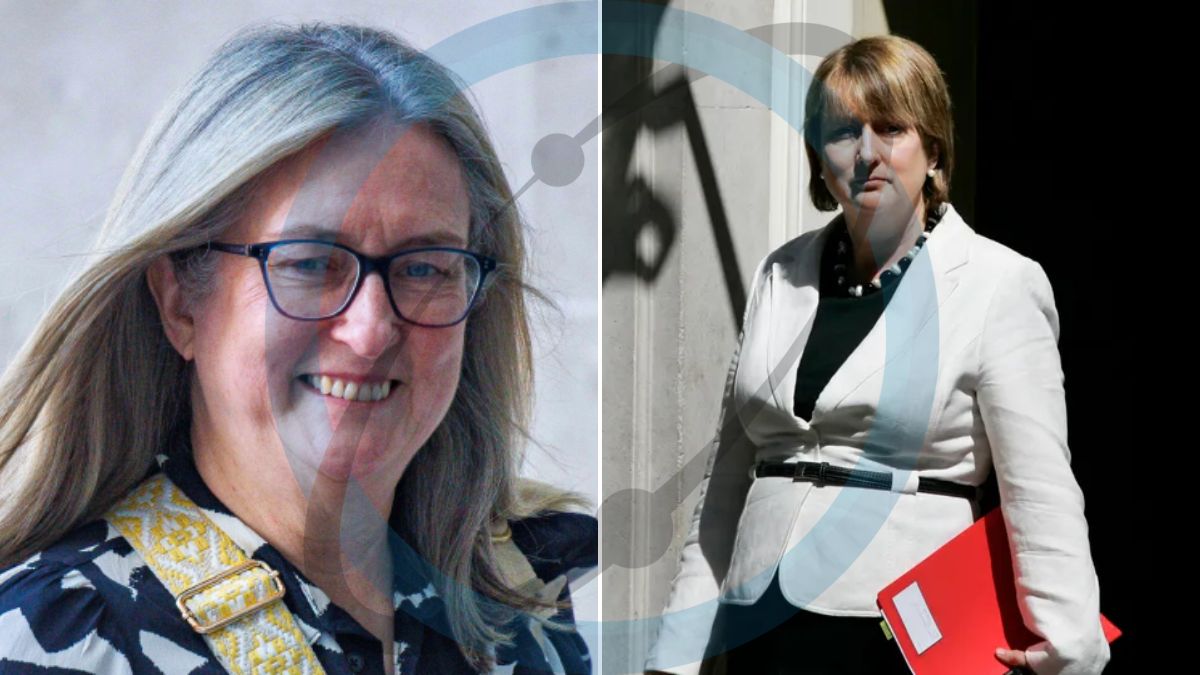
Jacqui Smith stands as one of the most notable figures in contemporary British politics. Her appointment as the first female Home Secretary marked a historic shift in a role traditionally dominated by men. Yet her career is not defined by that achievement alone. It reflects the complexities of leadership, public accountability, and the pressures that come with high office.
Her journey offers a detailed look at how political authority is built, tested, and reshaped over time. From early ambitions to national prominence and later influence in the House of Lords, her story remains relevant to discussions about governance and representation.
Early Life and Education
Jacqui Smith was born in Malvern, England, in 1962. Her upbringing in a politically aware environment shaped her early interest in public service. She pursued Philosophy, Politics, and Economics at the University of Oxford, a course known for producing influential figures in British public life.
Her academic experience provided both theoretical understanding and practical insight into governance. This background later informed her approach to policymaking, particularly in areas that required balancing competing priorities.
Entry into National Politics
Her political career began with involvement in education policy and local governance. These early roles allowed her to understand the practical challenges of implementing policy at the community level.
In 1997, she was elected as Member of Parliament for Redditch. This election marked the beginning of her national influence. During her early years in Parliament, she focused on education reform and social issues, gradually building a reputation as a committed and capable policymaker.
Her work during this period demonstrated a consistent focus on public services and institutional effectiveness.
Home Secretary Years
Historic Appointment
In 2007, Jacqui Smith was appointed Home Secretary by Prime Minister Gordon Brown. This appointment carried both symbolic and practical significance. It represented progress in gender representation while placing her in charge of one of the most demanding roles in government.
The Home Secretary oversees national security, policing, immigration, and counter-terrorism. Each of these areas requires decisive action under constant public scrutiny.
Policy and Leadership
Her tenure coincided with a period of heightened security concerns. She worked on strengthening counter-terrorism frameworks and improving coordination among law enforcement agencies.
Her approach emphasized practical decision-making and institutional stability. She faced the challenge of maintaining civil liberties while addressing national security threats, a balance that often generates political debate.
While some policies were supported for their effectiveness, others drew criticism. This reflected the broader reality that decisions in such roles rarely achieve universal approval.
Controversy and Public Accountability
Expenses Issue
The parliamentary expenses scandal of 2009 affected multiple politicians, including Jacqui Smith. Her claims related to housing expenses became a focal point of public criticism.
The issue raised questions about transparency and the appropriate use of public funds. The controversy contributed to a wider conversation about ethical standards in public office.
Political Consequences
The impact on her career was immediate. She stepped down from her role as Home Secretary, illustrating how accountability functions within democratic systems.
Although the controversy affected her reputation, it also underscored the importance of oversight mechanisms in maintaining public trust.
Media, Gender, and Public Scrutiny
Media coverage of Jacqui Smith extended beyond policy decisions. Certain aspects of her personal life received attention that many observers considered disproportionate.
This dynamic highlights a broader pattern in political life. Female leaders often face scrutiny that goes beyond their professional responsibilities. Coverage may shift toward personal appearance or private matters, raising questions about fairness and relevance.
Her experience contributed to ongoing discussions about gender bias in media reporting and the challenges faced by women in leadership positions.
Role in the House of Lords
After leaving the House of Commons, Jacqui Smith continued her public service as Baroness Smith of Malvern in the House of Lords.
Continued Contribution
In this role, she participates in legislative review and policy debates. Her experience as a former Home Secretary provides valuable insight into government operations.
Her contributions often focus on education, governance, and institutional accountability. The House of Lords allows for a more reflective form of political engagement, where long-term perspectives are emphasized.
Legacy and Continuing Influence
Breaking Barriers
Her appointment as the first female Home Secretary remains a defining achievement. It expanded the scope of leadership possibilities within British politics.
A Balanced Perspective
Her career also demonstrates how public life includes both achievement and challenge. Successes and controversies coexist, shaping how political figures are remembered.
Lasting Relevance
Jacqui Smith’s influence continues through her contributions in the House of Lords and her role in public discussions about governance. Her experience offers practical lessons about leadership, resilience, and accountability.
Conclusion
Jacqui Smith’s career reflects the realities of modern political life. It includes historic achievements, difficult moments, and continued public engagement. Her work as Home Secretary and later as a member of the House of Lords illustrates how leadership evolves over time.
Her story remains relevant because it addresses broader themes: how institutions function, how leaders are held accountable, and how representation changes over time. These themes continue to shape political systems today.
FAQs
Who is Jacqui Smith?
Jacqui Smith is a British politician who served as the first female Home Secretary and is now a member of the House of Lords.
What role did she play in government?
She held several positions, most notably Home Secretary, where she was responsible for national security, policing, and immigration.
What was the expenses controversy?
It involved claims related to housing expenses during the 2009 parliamentary expenses scandal, which led to public criticism and her resignation.
What is her role today?
She serves as Baroness Smith of Malvern in the House of Lords, contributing to legislative review and policy debates.
Why is her career significant?
Her career is notable for breaking gender barriers and highlighting the complexities of leadership in public office.
